
The habits we build in midlife shape our later years
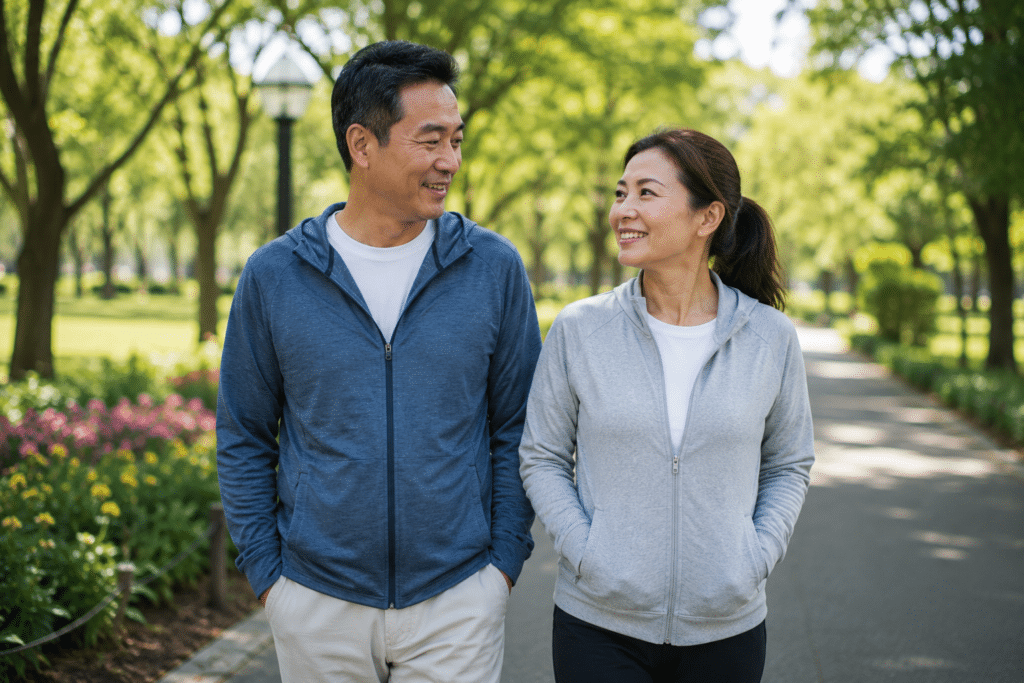
Years ago, I was on a jungle hike in Thailand and met up with a Dutch couple in their 70’s. We connected right away, and I, a young backpacker at the time, seriously considered changing my plans to travel with them. They were so full of life and vitality. I just wanted to hear all of their stories and soak up their wisdom. But mostly I wanted to know their secret. How did they stay so young? Not just physically, but mentally as well.
Have you met someone like this? A person in their 70s, 80s, maybe even 90s who is so full of energy, curiosity, and purpose? The ones who are still travelling, challenging themselves with learning new things, have solid, meaningful relationships with people of all ages, and remain not just “engaged” with life but amazed with life. Those kinds of people are my inspiration for healthy ageing.
I’m sure, like me, you’ve also met people 20-30 years younger who seem exhausted by it all and “old” in their bones. They’re running on caffeine and stress, sleeping poorly, struggling to switch off, and telling themselves they’ll create some healthy habits once life calms down.
While chronological age tells us how many years we’ve been alive, it doesn’t necessarily tell us how well we’re living them. Adding quality years to our lives means maintaining physical health, mental wellbeing, independence, connection, and a sense of purpose as we move through life’s later stages.
Just like saving money or planning for retirement, you don’t want to wait too long before investing in the habits that will support your later years. While ageing is inevitable, ageing well isn’t automatic. The habits we build in our forties and fifties often dictate how well we will age and become the foundation for our later years.
The future will be here sooner than you think
Life is busy, and if you aren’t one of the lucky ones who grew up with great role models and healthy habits, you might find yourself making excuses—at your own expense. We know all of the things we should be doing, but we still tell ourselves:
We’ll exercise later.
We’ll get better sleep later.
We’ll slow down later.
We’ll deal with our stress later.
We’ll make time for friends and family later.
The problem is that later tends to arrive unexpectedly. One day, you wake up in your midlife juggling act, and realise that later is now. But self-care keeps slipping further down the to-do list, and the habits we repeat during these years keep accumulating.
The body keeps track of how much we move, when we rest, what we eat, how we connect with others, and how we cope. The brain is paying attention, too.
Long before we start thinking about retirement and our “golden years”, we’re already shaping what those later years may look like.
It’s not just your body that’s ageing
Healthy ageing often focuses solely on physical health, such as exercise, nutrition, blood pressure, cholesterol, and maintaining mobility. These things matter greatly, and we absolutely should be focusing on them.
But there’s another piece of the conversation that receives far less attention. Our nervous systems are also ageing.
Many people spend years living in a constant state of pressure. They push through stress, ignore exhaustion, avoid their emotions, and normalise functioning in survival mode. Your nervous system can manage this for an incredibly long time, and you might think you’re holding it all together because you’re getting things done.
But chronic stress isn’t something you can simply switch off one day when you reach retirement age. The emotional habits we practise become the emotional habits we age with. If we’ve spent decades disconnecting from ourselves, avoiding rest, or believing our worth is tied to productivity, those patterns often follow us into later life, affecting our wellbeing, relationships, and overall quality of life.
Healthy ageing isn’t just about looking after the body. It’s also about creating a life that our nervous system can sustain.
Small habits, big consequences
Healthy ageing won’t automatically happen in the future if you’re not careful about the choices you make today.
Consistently moving your body is a great example.
In the past, exercise was viewed as a means of losing weight or staying slim. But we now know that movement, including strength training, is vital for strong, healthy ageing and affects far more than how we look. A stronger body supports cardiovascular health, balance, strength, mood, cognitive function, and independence as we age.
Research has found that people who remain physically active during midlife may reduce their risk of developing dementia by around 40 per cent compared to those who are least active.
That’s a remarkable return on investment for something as simple as moving and strengthening our bodies.
Quality relationships matter, too. In fact, loneliness or isolation may threaten healthy ageing more than illness or injury.
Unfortunately, loneliness is becoming increasingly common. According to the World Health Organization, around one in six people globally experience loneliness, and growing evidence links social isolation to poorer physical and mental health outcomes.
Researchers have also found that older adults experiencing social isolation face a significantly higher risk of developing dementia compared to those who remain socially connected.
In other words, healthy ageing isn’t just about looking after your body. It’s also about having people to laugh with, lean on, and share your life with.
Staying engaged with life
Most healthy agers seem to share some common traits. They remain engaged, continue learning, and stay curious about the world around them. They find meaning in their work, hobbies, relationships, or volunteer roles.
They don’t stop growing simply because they’ve reached a certain age. They understand that purpose matters and there are a variety of ways to have purpose. Will it help us live forever? No, of course not. But it does have the potential to add meaning to the years we have left, and help us live longer, happier, and more fulfilling lives.
Investing in your future self at The Place Retreats Bali
Sometimes information about healthy ageing can leave people feeling they’ve already missed their chance, so why bother? What’s the point?
Fortunately, that’s rarely the case. The human body is incredibly adaptable, and the brain continues to change throughout life.
Healthy ageing isn’t about perfection or starting healthy habits at a certain age. It’s about recognising that the choices we make repeatedly tend to shape the life we eventually experience.
Instead of focusing on “How long will I live?”, perhaps we should be asking ourselves, “How can I live well?”
Building these habits isn’t always easy, especially if you’ve spent years putting everyone else’s needs ahead of your own.
At The Place Retreats Bali, healthy ageing is something we practise every day through how we move, rest, connect, cope, and care for ourselves. We understand the habits we build in midlife don’t simply influence our future health, but they also influence the quality of our lives right now.
Our Balinese tropical sanctuary is designed to help clients focus on themselves through holistic therapies, movement practices, and mindfulness techniques.
Through individualised therapy sessions (including EMDR, CBT, and DBT), Kundalini yoga, meditation, and deep-tissue matrix healing, our expert team offers a personalised approach for every unique individual.
If you’d like to learn how one of our exclusive, award-winning luxury wellness retreats can help you build the healthy habits to live a longer, happier, more fulfilling life, contact us today to learn how our tailor-made retreats can help you.