Want to live longer? Five tips for longevity
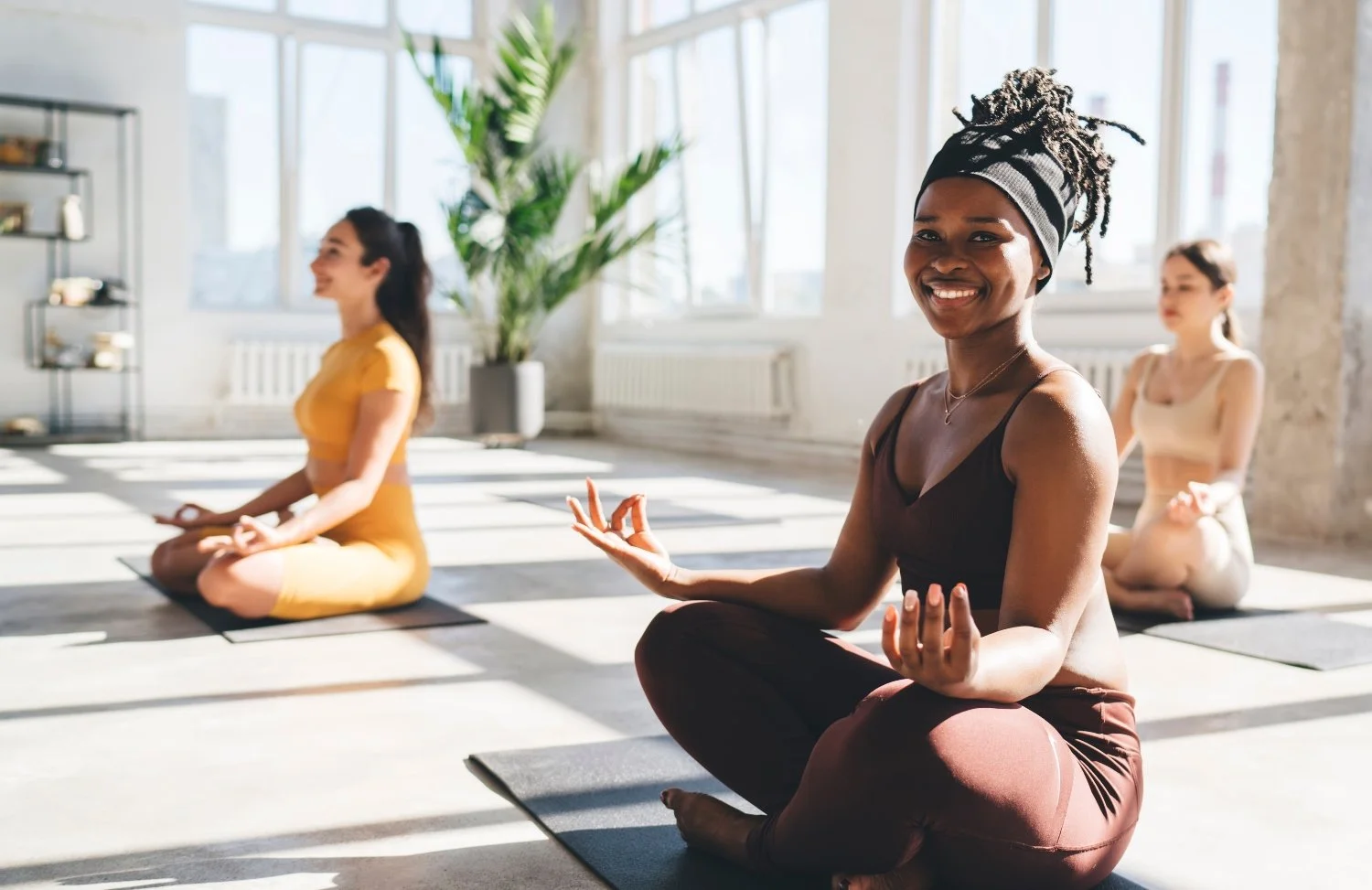
There’s a lot of buzz around the concept of longevity. When people think about living longer, that often looks like big life changes — overhauling your entire diet, tracking macros, taking heaps of supplements, walking or running those daily steps, committing to strength training, doing yoga and meditation and don’t forget: eating enough protein, adding creatine to everything, going to bed early and always staying hydrated!
Keeping up with and chasing the latest wellness trend is enough to make anyone crazy. But science is now pointing in a quieter direction: small changes, repeated over time, may have an outsized impact on how long and how well we live.
Researchers studying sleep, physical activity and nutrition have even found a kind of synergy between these small daily habits, where modest improvements across all three may matter more than major changes in any one area alone. A little more sleep, a little more movement, a little more nourishment — these small things add up and won’t make you crazy.
At the same time, studies continue to show that vitality is about more than physical health markers. Social connection, mental stimulation, openness to new experiences and a sense of purpose all appear to play a role in healthy ageing. Longevity, it turns out, may be built through everyday rhythms as much as extraordinary effort.
Let’s explore five daily habits to keep your body and brain fit as you age.
5 tips for longevity
1. Prioritise sleep as a daily reset
Longevity starts with restoration. A new study from The Lancet found that an average of 7.2 hours of deep, regular sleep supports everything from cognitive health and hormone balance to immune function, emotional regulation and cellular repair.
Going to bed and waking up at the same time every day resulted in the best sleep scores, while Australian researchers found that adding about five minutes of sleep a night, alongside exercise and proper nutrition, resulted in small improvements in cognitive brain function, processing speed and could add a year or more to the normal lifespan.
2. Move your body every day
A sedentary lifestyle can greatly speed up cognitive decline, along with an increased risk of dementia. As you age, it’s vital to stay physically active with consistent movement.
This does not mean extreme workouts, although these days you’ll see plenty of seniors hitting CrossFit gyms and powerlifting. Simple daily movements such as walking, strength training, cycling, stretching and mobility work, swimming, gardening and dancing all support cardiovascular health, brain function, energy and resilience as we age.
Whatever you do, just keep doing it as part of your daily life, because the better your cardiovascular health, the fitter and healthier your brain will be.
3. Eat well
You are what you eat. The World Health Organization recommends ‘The Mediterranean Diet’, which is high in fruit, vegetables, legumes (such as lentils, beans and peas), nuts, cereals and olive oil, while being low in saturated fats and meat. This diet provides your brain with the nutrients it needs to stay healthy.
If that sounds too overwhelming, start slow and challenge yourself to eat one more serving of a colourful vegetable per day, while taking daily steps to avoid excess sugars, saturated fats, supermarket “ready meals” or processed foods.
The focus is less about restrictive diets and more on whole, nutrient-dense foods that reduce inflammation and support long-term vitality. By adopting Mediterranean-style eating, you’ll introduce blood sugar stability while consuming healthy foods fueling both body and brain.
4. Stay mentally and creatively engaged
Looking to stave off cognitive decline? Brain health matters as longevity is cognitive as well as physical. According to the NIH, “the human brain typically finishes developing and reaches full maturity in the mid-to-late 20s or early 30s. The prefrontal cortex, responsible for complex decision-making, emotional regulation, and impulse control, is the last area to fully mature.”
After full development, there is a gradual cognitive decline as you age, so it’s better to use it earlier, as you will start to lose it later. A subtle decline beginning in the mid-40’s brings noticeable changes in processing speed and memory, while significant structural changes typically accelerate around ages 57, 70, and 78. While there are key differences between men’s and women’s brains — notably due to hormonal changes during menopause — most individuals notice cognitive abilities peak around 55–60; general cognitive function begins to decline after age 65, with severe acceleration around age 70.
Later in life, both men and women are at an increased risk of dementia, with women facing a 65% higher risk of developing dementia than men. Women are also roughly twice as likely to develop Alzheimer's as men, largely driven by longer life expectancy. As a result, countries with ageing populations are now witnessing rising rates of dementia and Alzheimer’s.
Thankfully, cognitive slowing and dementia risk are both influenced by 'modifiable risk factors'.
How? Never stop learning, stay curious about the world, try new things, challenge your mind, learn a new language, read, play a musical instrument, do puzzles, travel and explore. Don’t fall into a static routine; your brain needs novelty and engagement to help build cognitive reserve.While it’s inevitable that you’ll age, there are plenty of lifestyle habits you can adopt to maintain and improve your brain health at any age (but the earlier the better!).
5. Invest in meaningful relationships
Social isolation is considered one of the major risk factors for dementia.
On the contrary, strong social connections are among the most underrated longevity practices and protective health habits for your life. Multiple studies have shown that social connections and mortality risk are closely tied together. In fact, people who have stronger social relationships have a 50% increased likelihood of survival compared to those who don’t.
That’s right. A healthy, supportive community and family, with friendships, belonging, conversation, and emotional support, don’t just improve happiness; they’re linked to longer life, healthier ageing, and lower disease risk. These relationships support psychological flexibility and give a sense of purpose and openness to life, keeping you growing and engaged with the world around you.
Feeling lonely and don’t know where to start? Try volunteering or seek out company and lively conversation wherever you can, from the grocery store or perhaps a place of worship, to the local park bench. It’s great for your brain health and your mental health, too.
Think positive in small, sustainable habits
Longevity rarely comes from dramatic overhauls. Tiny, repeatable choices like an extra walk, a better sleep rhythm, more vegetables, more time outdoors, and moments of social connection can compound over the years. Consistency often matters more than optimisation.
At The Place Retreats, a focus on healthy living and longevity is a daily part of our lives and vital to everything we do. Our Balinese haven is a supportive, luxurious sanctuary where clients can focus on their mental well-being as they learn to incorporate healthy habits for a longer life. Free from the pressures, distractions, and stress of everyday life, guests at The Place Retreats rediscover themselves through our evidence-based therapies and personalised care.
Our retreats offer a wide range of activities from daily yoga and integrative therapy to support for any emotional healing. We also offer specialised retreats for your personal development. All of our retreats are led by experienced therapists and take a holistic approach, integrating body, mind, and spirit.
At The Place Retreats, you'll find:
Japanese Acupuncture & Traditional Chinese Medicine
Craniosacral Therapy
الـ "تشي كونغ" الطبي
Rolfing® Structural Integration
Massages (Esalen® Massage & Bodywork, Balinese Massage, The Ultimate Healing Massage)
العلاج التكاملي
Individual Sound Therapy
Full-Spectrum Breathing
Private Yoga Sessions
And so much more!
By thinking positively and creating healthy habits around being mentally and physically active, keeping strong relationships, cultivating a sense of curiosity and learning, and eating well, you can greatly improve your longevity.
It’s not a quick fix, but if you’re in it for the long haul, very small changes can help increase your healthspan and lifespan.
If you're ready to learn new habits that support longevity and would like us to design a retreat just for you, reach out and schedule your free 15-minute consultation with one of our team members today.