
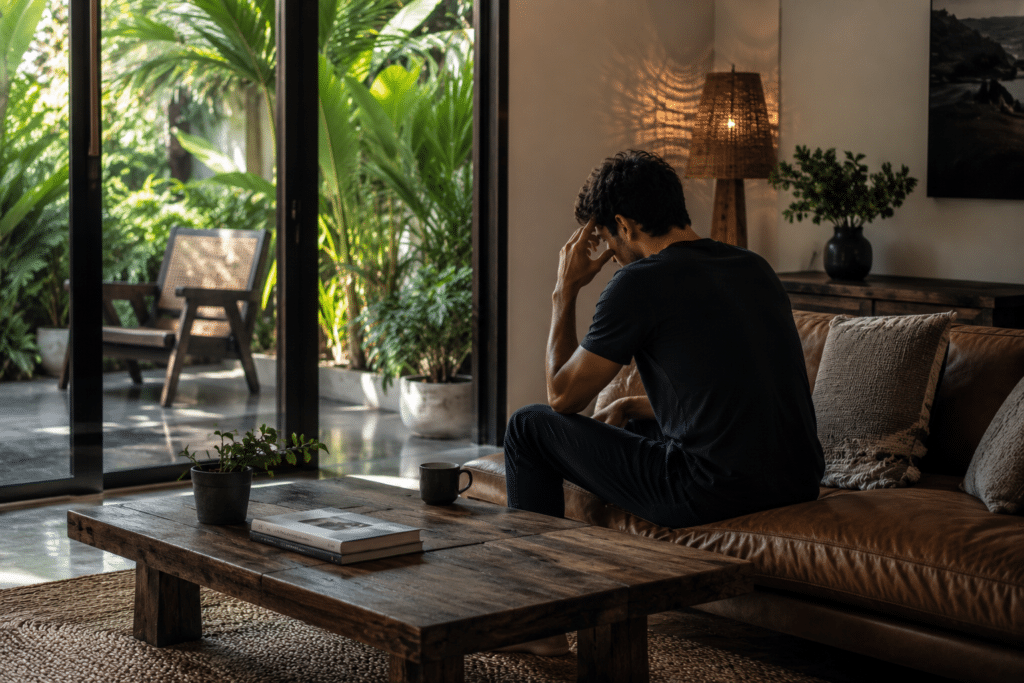
It can be difficult to know the difference between stress and anxiety. Nearly everyone has felt one, the other or both, but can you identify which is which?
The workplace is a common stress point with tight deadlines, long meetings, and rushed deliverables. Maybe you can relate to the panic of an unexpected email coming from your boss and the instant feeling of dread that washes over you as you realise that you’ve done something wrong or forgotten about an important assignment. Your heartbeat increases and a pit forms in your stomach as you look at the clock, knowing your evening just got a lot longer.
As the night drags on, you get more and more overwhelmed and start berating yourself for making such a stupid mistake. Now you’re missing out on dinner plans and time with your family or friends, and you might start to spiral a bit about how this is impacting your life.
Are you experiencing stress, anxiety, or some of both? It’s vital to know the key differences between the two. These are natural feelings, but if they are frequent or overwhelming, they can greatly impact every part of your life, including your mental and physical health.
To clearly understand stress and anxiety, we also need to talk about some of the symptoms, causes and how to treat them. Once you identify the triggers, you can learn tools to manage your feelings and start feeling better.
What’s the difference between stress and anxiety?
One of the key differences is that stress is usually associated with a specific, external event or scenario like:
- Work deadlines
- Life changes (marriage, divorce, birth of a child, death of a loved one)
- Health issues
- Financial worries
- Demands of daily responsibilities
Stress is a demand on your body that can make you feel frustrated or nervous, but it tends to fade over time as the event passes.
Anxiety often shows up in those who are naturally more sensitive or emotional and presents in a long-term state and tends to linger with:
- Persistent worrying
- Sense of fear or unease
- Chronic stress
- Mental health conditions like depression
While anxiety can occur as a reaction to stress, it can also happen without necessarily having a clear cause or trigger. It’s also worth noting that anxiety disorders can be genetic and make some people more prone to inheriting them.
It’s a very fine line between the two, as they both can make you feel overwhelmed, worried, “stressed out,” or feeling like you’re always on the edge. However, the main difference is noticing what triggers these strong emotions and how long they last. Once you understand the difference between the two and why they happen, you can start taking the right steps toward effective management.
What are the symptoms of stress vs anxiety?
Stress and anxiety can both produce a range of identical overlapping physical and psychological symptoms, which is why it’s tricky to differentiate between the two.
They both can include:
- Sleep challenges
- Digestive issues
- Rapid heartbeat
- Concentration difficulty or brain fog
- Muscle or body aches and tension
- Unexplained irritability or anger
- Withdrawal from social situations
- Changes in appetite
- Feelings of restlessness
Someone who is only experiencing stress might experience headaches, fatigue, frustration and mood swings.
Those with anxiety might feel overwhelmed by normal everyday situations, have difficulty managing uncertainty, experience overthinking, persistent worry or fear, rumination, catastrophizing, shortness of breath, trembling, sweating, and sensations of feeling dizzy, jittery or unable to sit still.
Some feelings of stress and anxiety are normal and not necessarily something bad. In fact, both can be helpful motivators to accomplishing tasks and keeping deadlines. But if left untreated, stress and anxiety can interfere with your daily life and greatly impact your wellbeing.
How to treat stress and anxiety?
Managing your stress and anxiety can feel overwhelming, but there are tips and small steps you can take that can make things more manageable. By paying attention to how your mind and body respond to certain situations, implementing mindfulness practices and making certain lifestyle changes, you can greatly reduce your symptoms.
Here are six tips to help you alleviate symptoms of stress and anxiety:
1. Pause, reflect and breathe
When you notice yourself starting to feel stressed out or anxious, give yourself the gift of breathing. Pause, take a deep breath in through your nose, hold it and exhale through your mouth. Repeat this at least four times or until you feel your heart rate slowing down. Deep breathing helps your brain relax and calms your nervous system.
2. Create a meditation and gratitude practice
Shifting your mindset from stress to gratitude helps reframe it in a more positive way. Finding everyday things to be grateful for can shift your focus and remind you to reflect on the good things surrounding you. An easy place to start is a daily gratitude journal where you list five things you’re grateful for. Creating a meditation practice is also an excellent way to quiet the mind and invite moments of peace into your life.
3. Ground yourself in the present
You can also try grounding exercises such as focusing on your physical surroundings — the desk, a rug, the lamp, your dog — and naming them out loud — “I feel my desk under my hands, the rug is soft on my feet, the lamp makes the room bright, the dog is smelly and needs a bath” — to stay in the moment and reduce anxiety. Reconnecting with things around you pulls your energy away from worrying, racing thoughts and forces you to be in the present moment.
4. Set realistic goals that won’t spike your stress or anxiety
It’s difficult in today’s world not to be overwhelmed by a never-ending to-do list and obligations. We all have responsibilities, but it’s important to be realistic, as too many can trigger stress and anxiety. Set simple daily goals for yourself and, where possible, break down big tasks and projects into smaller chunks. Crossing things off the list makes everything more manageable and can reduce stress and anxiety.
5. Guard your sleep hygiene
Getting enough sleep is one of the easiest ways to reduce stress and anxiety, but making it happen is easier said than done. Limiting caffeine, alcohol, and your evening screen time gives you time to truly unwind and is one of the best ways to prevent sleep disruptions. Try setting your phone aside or in another room a few hours before bedtime so you’re not tempted to mindlessly doomscroll instead of sleep.
In addition, some people find natural remedies very helpful for relaxation and reducing stress and anxiety. Herbal teas like chamomile and peppermint are known to have a calming effect (just don’t drink them right before bed). You can create a relaxing bedroom atmosphere with an essential oil diffuser releasing scents such as lavender or eucalyptus. And for some people, supplements like magnesium or L-theanine can help reduce stress and anxiety, making it easier to fall and stay asleep.
Make exercise a priority
Physical activity can greatly help in reducing stress and anxiety by helping your body release a buildup of stress hormones like adrenaline and cortisol.
How much exercise do you need? A simple walk during the day, after lunch or a more focused cardio workout with strength training can do wonders, making you feel (and sleep!) better.
Whether you’re a runner, a yogi, a swimmer or a backyard gardener who likes to dance in the kitchen, the key is to find a balance of movement that works for you and make that part of your daily routine.
Exercise is excellent for releasing stress and giving your mind a break from anxiety.
How The Place Retreats Bali can help treat stress and anxiety
Life is complicated, and some amount of stress and anxiety is to be expected. It becomes a cause for concern if you feel chronic stress and overwhelming feelings of anxiety that are negatively impacting your life and wellbeing.
If life has gotten to the point that it feels unmanageable, it may be time to seek help from a mental health professional. With the right therapeutic approach like cognitive behavioural therapy (CBT), you’ll learn to focus on changing the thought patterns that are related to your anxiety as you develop effective coping skills and regain control of your life.
At The Place Retreats, mindfulness is a daily part of our lives and vital to everything we do. Our Balinese haven is a supportive, luxurious sanctuary where clients can focus on their mental well-being as they learn to practice mindfulness and meditation to relieve symptoms of stress and anxiety. Free from the pressures, distractions, and stress of everyday life, guests at The Place Retreats rediscover themselves through CBT, our evidence-based therapies and personalised care.
Our retreats offer a wide range of activities, from daily yoga and integrative therapy to support for any emotional healing. We offer specialised retreats for your personal development. All of our retreats are led by experienced therapists and take a holistic approach, integrating body, mind, and spirit.
If you’re ready to calm your mind and reduce your stress and anxiety, reach out and schedule your free 15-minute consultation with one of our team members today.